
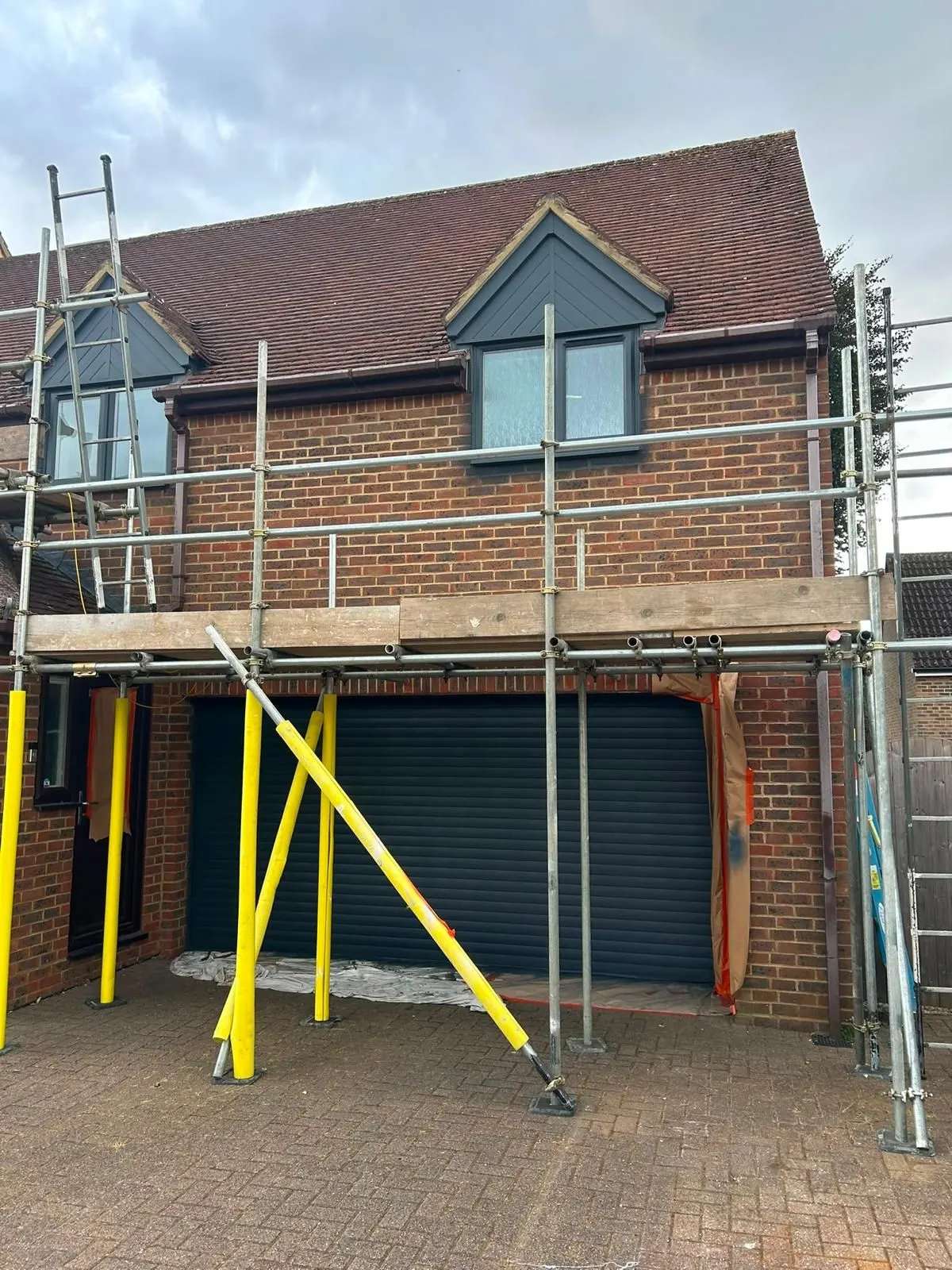
By Ethan Lamptey, EAL Spray Finishes, Milton Keynes · Updated
The paint EAL Spray Finishes uses on uPVC has an expected lifespan of 10 to 15 years when it's maintained correctly. That's the paint's expected life, not a guarantee. How long your finish actually lasts depends mostly on how well the frames were prepared before spraying, how exposed they are to sun and weather, and how they're cleaned and looked after.
Expected lifespan, not a guarantee
Ethan is clear about this: the paint has an expected lifespan of 10 to 15 years when it's maintained correctly. It is not a guarantee. An expected life is what you can reasonably expect from a properly prepared and maintained finish in normal UK conditions. Some finishes will last longer, and a frame that's neglected or badly exposed may need attention sooner.
Be wary of anyone who promises a fixed number of years without written terms. Ask what's covered, who backs it and what would void it.
Why some sprayed uPVC peels
When sprayed uPVC fails early, it's nearly always for one of these reasons:
- Poor preparation. Frames that weren't properly cleaned, degreased and keyed don't give the primer anything to grip.
- No primer, or the wrong one. uPVC needs a primer made to bond to plastic.
- Spraying in the wrong conditions. Cold, damp or windy weather affects how paint goes on and dries.
- DIY or interior paint. Products not designed for exterior uPVC don't flex with the frame.
- Damage. Knocks from ladders, bikes or bins can chip a finish like any painted surface.
That's why most of a professional respray is preparation. See how it's done in can you paint uPVC windows.
What shortens or extends paint life
| Factor | Shortens life | Helps it last |
|---|---|---|
| Preparation | Skipped cleaning or keying | Degreased, keyed and primed |
| Exposure | Full sun all day, coastal or industrial air | Sheltered or partly shaded elevations |
| Cleaning | Solvents, scouring pads, close pressure washing | Mild soapy water and a soft cloth |
| Damage | Ladders, bins and bikes knocking frames | Small chips touched in early |
| Colour | Very dark colours in strong sun run hotter | Mid-tones or heat-aware colour choice |
How to make your sprayed frames last
- Leave the finish to cure before cleaning it. Ethan will tell you on the day when it's safe to wash.
- Clean two or three times a year with warm water, a little mild washing-up liquid and a soft cloth or sponge.
- Avoid solvent cleaners, bleach, cream cleansers, scouring pads and uPVC 'restorer' products.
- Don't hold a pressure washer close to the frames.
- Keep drainage slots clear so water doesn't sit on the sills.
- Check once a year for chips around handles and sills, and get them touched in before water gets under the edge.
There's more detail in the uPVC spraying aftercare guide.
Does the colour affect how long it lasts?
Colour does play a part. Darker colours absorb more of the sun's heat than lighter ones, so a black or anthracite frame on a south- or west-facing wall gets hotter than a white or cream one in summer. The frames also expand and contract a little more as they heat up and cool down.
That doesn't mean you can't have dark windows: anthracite grey is the most-requested colour for good reason. It does mean the elevation is worth mentioning when you get your quote, so the preparation and products suit it. Lighter and mid-tone colours, such as agate grey, cream or sage, are the most forgiving on very exposed walls.
The sheen matters a little too. Satin and gloss finishes shed dirt and water more easily than matt, which can show marks sooner and needs slightly more careful cleaning. Try shades on the colour visualiser.
How sprayed uPVC compares with new windows
New uPVC windows come with their own factory finish and a manufacturer's warranty, and they typically cost £300 to £1,000 each fitted. Spraying keeps your existing frames, glass and seals and changes only the colour and finish, which is why it costs a fraction of the price.
If your frames are sound, a respray gives you a fresh colour for many years. If they're failing, new windows are the better long-term buy. The respray vs replace guide sets out the trade-offs.
Signs your frames need attention
- Paint lifting at corners or along glazing beads.
- Chips that have let water creep under the edge.
- Chalky residue when you rub the frame (on unpainted white uPVC, a sign it's ageing).
- Even colour, smooth surface and water beading on the frame: the finish is doing its job.